Over the last few days, I’ve had several coaching sessions with leaders who wanted to focus on developing goals for the new year. Goals for themselves personally, and larger goals for their teams, and what they want to accomplish in the year ahead.
Seriously, there’s no shortage of people writing about goals. James Clear, Mark Manson, Simon Sinek, and Mel Robbins – they have scientific guides, and “it’s as simple as these 6 steps” takes. Lots of great ideas on goal setting, coming from all over the place, but goals aren’t easy to achieve – if they were, we’d have done them already. They’re really, really hard. Add to that the complexity of including and needing other people in larger goals as a leader, and now we have a lot to think about.
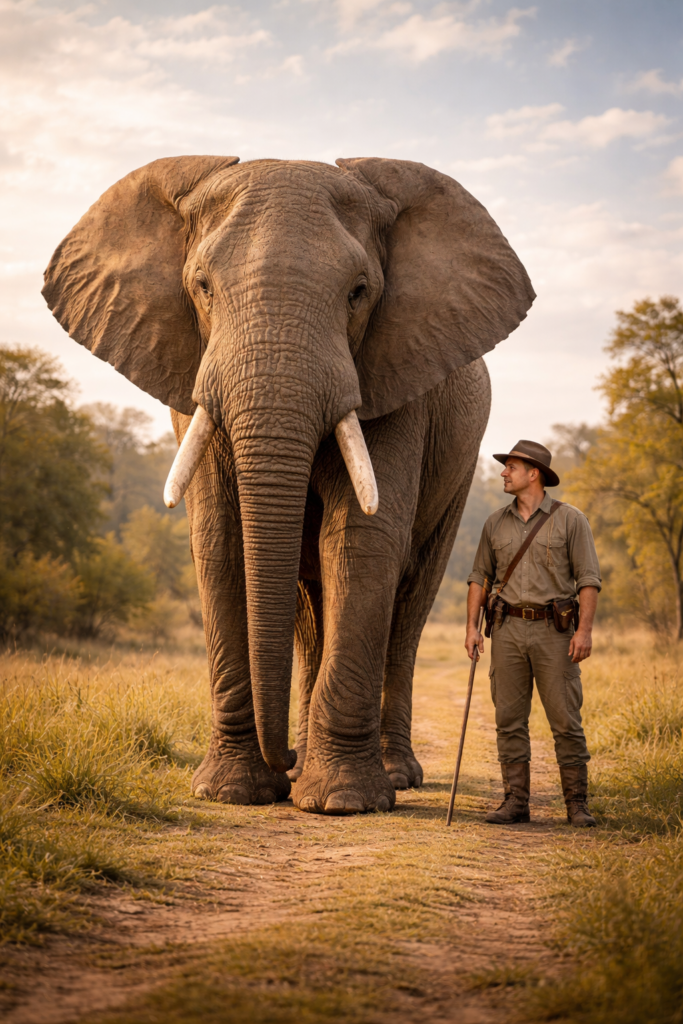
And the reason for that is because we each have 2 sides to contend with, as Chip & Dan Heath talk about in their book, “Switch” – a logical self (they call it “The Rider”) and an emotional, motivated self (they call it “The Elephant”).
The Rider, our logical side, says, “Of course I can do this, I just need to make sure the goal is S.M.A.R.T., and it’ll be totally achievable!” The Rider can convince us that we can think our way to achieving the goal.
The Elephant, our emotional and motivated side, says, “If we can stay pumped, then we’ve got this!” The Elephant can convince us that as long as we stay excited, we can achieve whatever we want to do.
The rider can steer, but the elephant provides the power. And here’s the thing – when the elephant loses motivation, no amount of logic will move it forward.
“Hope is elephant fuel.”
Leaders tend to invest their “hope energy” at the very beginning of an effort towards a goal. They rally people (yay!), paint the vivid future (whoa!), and get everyone excited (hi-five!). But that initial surge of hope fades fast. The real work – the elephant fuel – is most needed when you’re stuck in the middle, when ongoing resistance shows up, when the team can’t see the progress they’ve made.
Hope isn’t just about the big, shiny future you painted at the beginning. It’s also about calling out the small, subtle wins along the way. When a team has been grinding towards a goal for months, they often miss the momentum building. They can’t see it. It takes a leader who’s paying attention, who’s noticing – who’s asking better questions – to unearth how hope is taking shape in those small moments. Tapping into emotion. Generating the motivation to keep going.
The elephant craves the high of seeing the change take shape and becoming real. If it doesn’t get fed, it wanders off toward something more motivating, even if it doesn’t make logical sense. Let that sink in. Without hope, apathy appears. Emotion runs low. People disengage and find something else to care about. It’s only natural.
Here’s a small experiment you can try this week: Notice a “bright spot” – something that’s working, even if it’s minor. The Heath brothers talk about this. It’s like an ember that just needs a little oxygen. Find it. Breathe some life into it so it generates heat.
Or ask a simple question about a goal: “What’s working?”
Feed the elephant.
Here are a few resources that I’ve found interesting and have been sharing with clients:
1 // Three reasons old people are happier. (5 min read)
2 // Having goals is great, but you’ll need to know what success will look and feel like with your goals. (20 min listen)
3 // Cooperation is a powerful leadership skill, and here are a few ways it can help you. (10 min read)